Oil Tank Services
In Wiltshire.
For village homes, busy farms and the fuel systems that keep them going.
Removal, replacement, installation and cleaning, with attention to the fuel you have, the ground beneath the tank and the way in.
Tell Us About Your Tank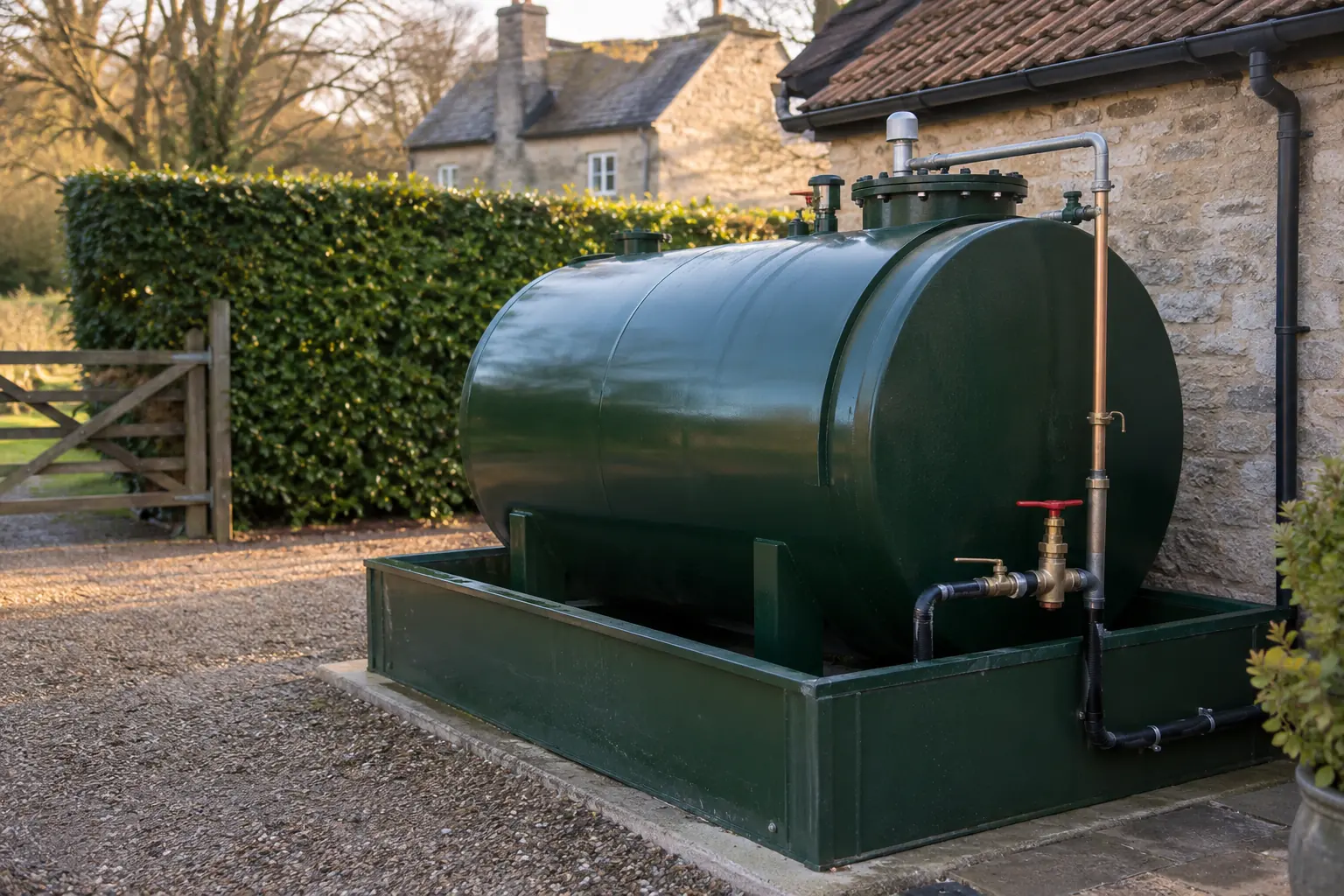
What Does Your Tank Need?
Choose the guide that matches the problem. Each explains the work, what can affect the price and what to send with an enquiry.
Oil Tank Removal
For an unused tank, a heating change or space needed back. Consider the vessel, remaining oil, redundant pipes and whether the base should stay.
Read The GuideOil Tank Replacement
For an ageing or damaged tank, or a more practical position. Compare tank specification, base condition and the changeover of your existing fuel supply.
Read The GuideOil Tank Installation
For new storage at a home, farm or business. Position, containment, capacity and pipework should be designed together, before a tank is ordered.
Read The GuideOil Tank Cleaning
For water, sludge or recurring filter problems. Establish whether water removal, a full tank clean or a fuel assessment is the useful next step.
Read The GuideUnderground Oil Tanks
For a buried vessel, old fill pipe or tank found during building work. Assess removal, environmental risks and whether leaving it in place is acceptable.
Read The GuideLeaking Oil Tanks
For a suspected escape of oil. Read the immediate guidance, report pollution through the official route and keep evidence for your insurer.
Read The Guide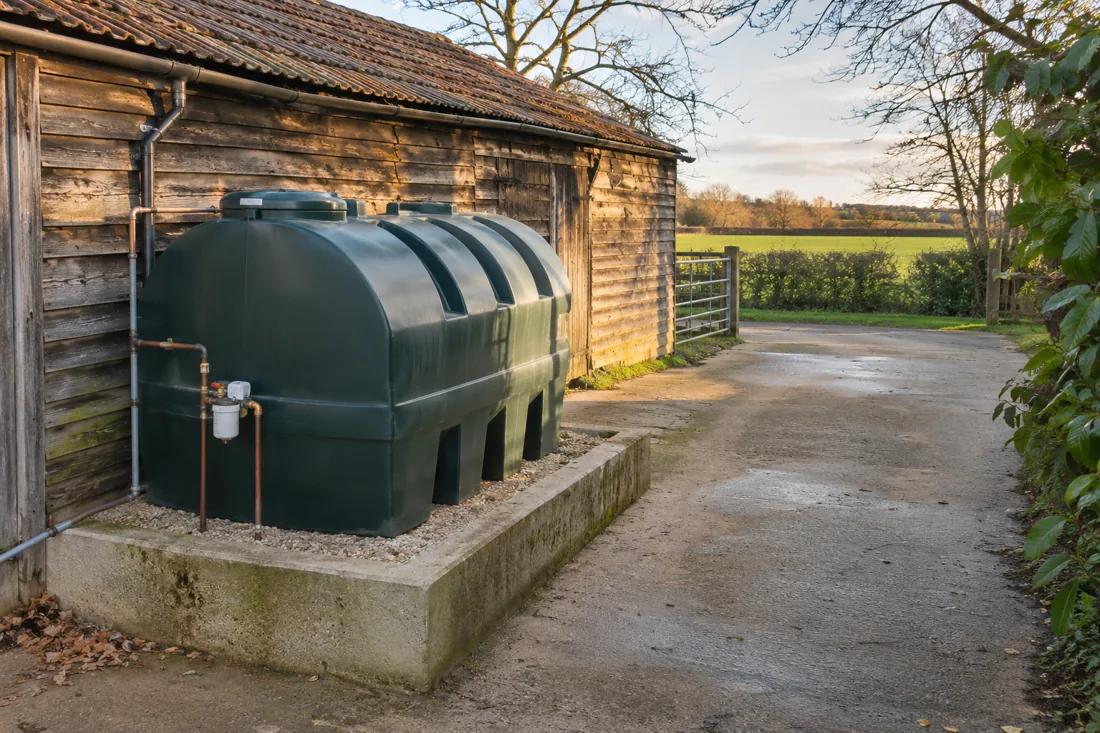
The Way In Matters As Much As The Tank.
A tank behind a garden wall calls for different handling from one beside a working yard. Before suggesting a route forward, the access, support and fuel contents need to be understood.
Photograph the full route, not just the tank. A narrow gateway, soft lawn, low branch or tight turn may decide whether the old vessel leaves whole, whether specialist lifting is needed and how the new one can reach its base.
Wiltshire's protected landscapes and historic settlements also make position worth discussing early. Tell us about nearby water, private supplies and any proposed building work, so the assessment accounts for more than the current footprint.
Read About Wiltshire CoverageFrom A Question
To A Defined Job.
You might have an old steel tank to remove, a plastic tank showing damage or a fuel problem that needs diagnosis. Start with what you can see, rather than trying to specify equipment yourself.
Describe The Situation
Send the location, what the tank supplies and why it needs attention. Include the approximate fuel level and any access limitations.
Establish The Scope
A suitable provider can assess the details and decide whether a visit is needed. Ask for fuel handling, base work, connections and waste arrangements to be stated in the quotation.
Agree The Practical Details
Confirm timing, any interruption to heating or equipment and the records relevant to the job. The work should be understood before it is booked.
Before You Enquire
Can You Help With A Tank At A Village Property?
A tank at a village property can be assessed for removal, replacement, installation or cleaning. The useful starting details are your postcode, the tank condition and the route from the road. Mention narrow passages, shared drives, steps and any nearby drain or water supply so access and pollution risks can be considered together.
Do I Need To Empty The Tank Before Enquiring?
You do not need to empty an oil tank before enquiring. Give an approximate fuel level and describe any suspected water or sludge. Professional fuel recovery and temporary storage can then be considered within the scope, with usable fuel kept separate from material that needs an appropriate waste route.
Tell Us What Needs Attention.
A few details about the tank and the way to it help establish the next step. You do not need to know the right technical solution before getting in touch.
Your Quote Checklist
- Postcode and what the tank supplies
- Material, capacity and approximate fuel level
- Reason for the work and any known leak
- Gateways, steps and vehicle access
- Preferred timing and heating requirements
You can describe photographs in the form. Once a provider responds, ask how to send images safely. There is no upload field here.
For an active spill, follow the leaking tank guidance. This form is not an emergency reporting service.